RBT is a good to great concept for ISO. However, there are problems.
 RBT as defined and described by ISO is difficult to operationalize or audit. How do you operationalize or audit Risk Based Thinking? What evidence, artifacts, or data is the auditor going to find based on someone’s thinking? So, how do you read someone’s thoughts? Not unless you have taken and passed Mind Reading 101 course, you can not audit Risk Based Thinking.
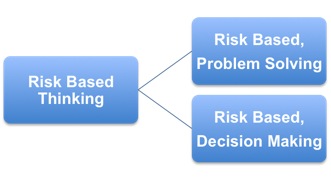
However, you can audit Risk Based Thinking artifacts. For this reason, we define RBT as:
- Risk based, problem solving.
- Risk based, decision making™
Why? Both of the above bullets are demonstrable, auditable, and offer verifiable evidence to a Certification Body of conformance.
Lesson Learned: RBT is a good concept that needs to be operationalized and be auditable based on 1. Risk based, problem solving and 2. Risk based, decision making.
Bio:
Greg Hutchins PE and CERM (503.233.101 & GregH@QualityPlusEngineering.com) is the founder of:
CERMAcademy.com
800Compete.com
QualityPlusEngineering.com
WorkingIt.com
He is the evangelist behind Future of Quality: Risk®. He is currently working on the Future of Work and machine learning projects.
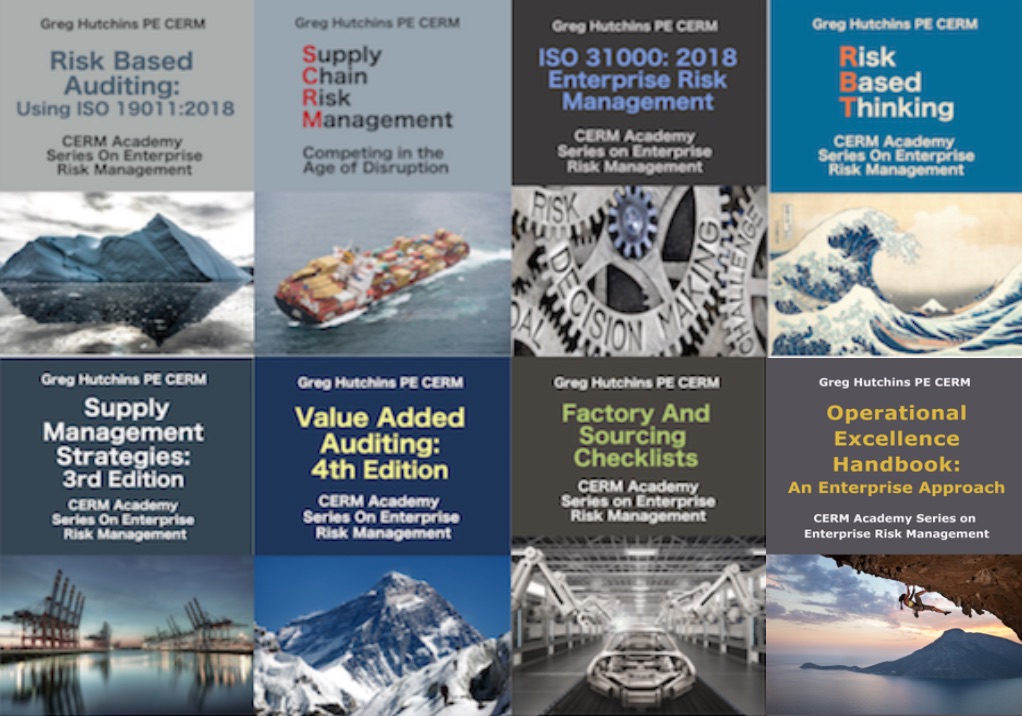
He is a frequent speaker and expert on Supply Chain Risk Management and cyber security. His current books available on all platform are shown below: