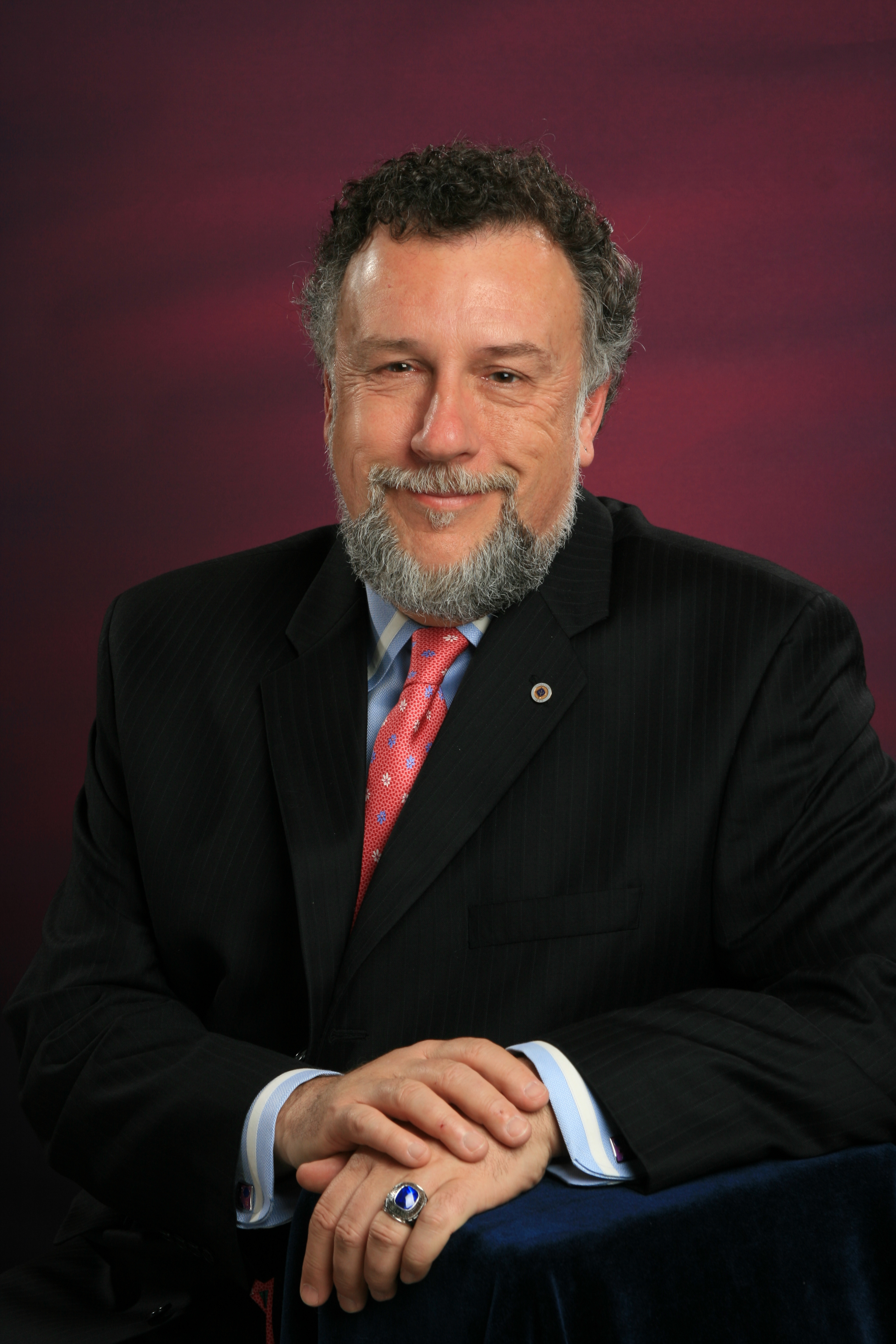
#29 – THE GREAT PRETENDERS – MARK MOORE

Mark MooreNo, I’m not talking about the 50’s song by The Platters.  I’m talking about people on your team or project who really aren’t ‘with the program’ and are putting your work and possibly your career at risk.

Most of us have seen the acceptance model below at one point or another, so I’m going to use it to illustrate my point and show you where you are most likely to find those pretenders. Continue reading

#29 – IS ISO 9001 WORKING? – T. DAN NELSON

T. Dan Nelson - Screen Shot 2013-09-06 at 8.16.28 PMISO 9001 is not  working.  Says who?

Top British ISO brass.  Just recently, two high level officials from the UK spoke out about an effectiveness problem with ISO 9001.  ISO 9001 is failing.  The first suggests that quality professionals are failing, alluding to a compliance-based mind-set to auditing, while the second addresses this problem as a failure of organizations and auditors to understand and apply a process approach. Continue reading

#29 – SORTING OUT THE DIFFERENT INFORMATION ON RISK – TIM LANDERVILLE

You may think that you grasp the idea of risk and ISO management; but as you study risk in greater depth, you begin see it as a word of many colors.  Here’s an example from ISO 19011:2011.  It says that ISO management system auditors need to realize the risk associated with auditing.  This includes the risk that comes with the audit program and auditing risk.  In other words, there is a risk that the auditors are looking for and there is risk that comes in the process of doing the audit. Continue reading

#29 – HOW STATISTICS FAILED REGISTRARS – UMBERTO TUNESI

Umberto Tunesi pixWhen they started charting ISO 9001 and ISO 14001 non conformances, european accreditation bodies and registrars became visually aware of what their auditors were telling them for a few years; that is, the majority of all non conformances recorded were against documentation control requirements – about 50 %. Continue reading

#29 – SPACE TOURISM – PAUL KOSTEK

Paul Kostek PixAfter writing several articles about topics  related to medical devices and big data, thought I’d explore a new area, risk and space tourism.

Though I will include one interesting note about medical devices, on the October 20th episode of 60 Minutes former VP Dick Cheney admitted that he had the external programming capability for his defibrillator turned off to prevent it from being hacked.  So, even as people question the possibility of this occurring we have a real world example of the steps taken to prevent this from happening.  Think risk mitigation. Continue reading