WEBINAR – CYBER – #1 GLOBAL THREAT – DR. CAROLYN TURBYFILL & ED PERKINS

ITMPI Webinar Series:  https://www.itmpi.org

Free, Live, PDU Accredited Lectures
2013 Program Schedule:  https://www.itmpi.org/ITMarketplace/AdvancedITCourseware.aspx
Click Here to View our Webinar Recordings:
https://www.itmpi.org/ITMarketplace/WebinarRecordings.aspx

All LIVE Webinars are accredited with 1 PDU credit. Courses and PDU’s are provided by CAI (REP #2733)

The #1 Global Threat: Cyber

July 16, 2013
11:00 AM – 12:30 PM EST
PDU accredited
Presented by: Carolyn Turbyfill

The global threat environment is changing. This environment is demanding re-evaluations of the way we do business, expanding our analytical envelope, and altering the vocabulary of intelligence. Cyber threats are more diverse, interconnected, and viral than at any time in history. Attacks, which might involve cyber and financial weapons, can be deniable and un-attributable, In this webinar, Dr. Carolyn Turbyfill will present an overview of global cyber challenges, threats and then discuss enterprise risk management (ERM) solutions in terms of cyber standards development, new cyber management systems/taxonomies, and cyber risk management/assurance/control methodologies.

#17 – MOMENT OF OH! WHAT? – JOHN BLAKINGER & GREG RANSTROM

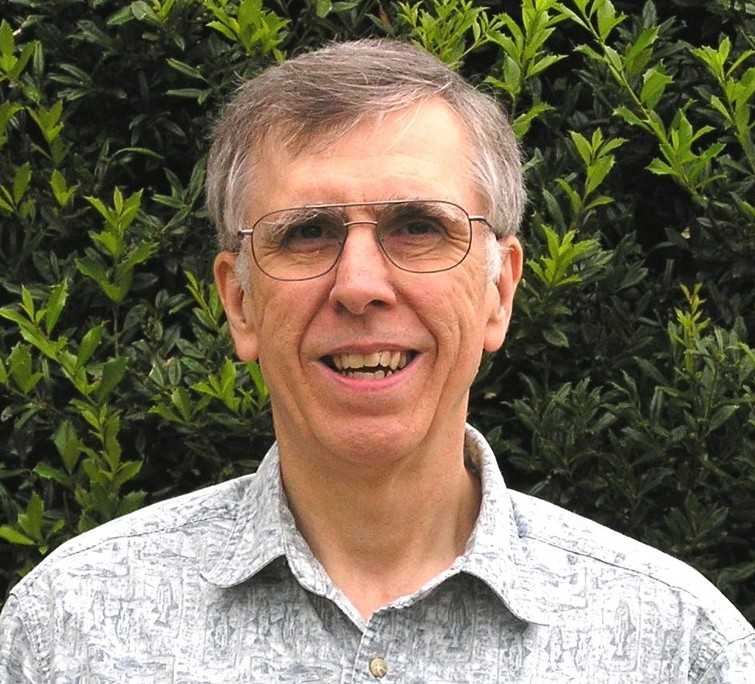
JohnBlackingerThis is the first What? step or phase in the Moment of Oh! decision makign cycle.  For previous articles on the Moment of Oh! visit  CommunityDecisions@Risk.  A person in the What? stage of the commitment curve lacks relevant factual information.  He or she either knows nothing about the situation or may have misunderstandings about the facts and their relevance to the situation. Continue reading

#17 – RISK DECISIONS AND HUMAN NATURE – ED PERKINS

OLYMPUS DIGITAL CAMERAOne area that does not receive much emphasis in risk management is the human factor.  In risk assessments, risk events, likelihoods and consequences, vulnerabilities are the usual focus.  People are viewed as ‘weak links’ in risk prevention, but what about risk mitigation?  Your risk planning depends on people to respond when an event occurs. How good is their risk decision-making under stress?  There is the weak link. Continue reading

FAA Next Gen Air Traffic Control System at Risk? – Ed Perkins

OLYMPUS DIGITAL CAMERARecent headlines have claimed that because the FAA Next Gen air control system uses unencrypted GPS signals, the system can be attacked, with false signals sent to planes in midair. These claims were made by a self-styled “cyber hacker” on CNBC on Monday June 3. CNBC had contacted the FAA but a spokesman told them the agency has an ongoing risk process in place and that any such identified risks were “security sensitive”. See the CNBC  report online at http://www.cnbc.com/id/100784103 CNBC interviewed an expert on navigation systems, Prof. Todd Humphreys of UT, who told CNBC: “It ought to be obvious to the FAA. This is an obvious problem. This is something that’s using antiquated technology from the 1980s.” Continue reading

#16 – RISK/OPPORTUNITY BALANCE – LINDA WESTFALL

Linda Westfall HeadshotFUTURE THINKING
The future seems to be coming at us at an ever-increasing rate.  As effective managers and practitioners, we must think proactively about all the possibilities that the future may bring, but those possibilities have uncertain outcomes.  We call those possibilities opportunities if we believe they will have positive outcomes.  For example, we have the opportunity to successfully complete a project and make a substantial profit or we have an opportunity to introduce a new product into the marketplace first and capture the lion’s share of that market.  We call those possibilities risks if we believe they will have negative outcomes.  For example, we have the risk of not successfully completing that same project and losing our investment or we may have the risk of our competition beating us to the marketplace with a new product and losing market share. To quote Tom DeMarco, “Moving aggressively after opportunity means running toward rather than away from risk.” Continue reading