#4 – STRATEGIC RISK IN THE ENTEPRISE – JIM KLINE – ENTERPRISE@RISK

 Risk can take many forms from individual to companywide (enterprise).  Regardless of the level there is always a tendency to underestimate the level of risk.  Soldiers in combat almost never believe that they will end up a casualty.   In fact, people performing jobs considered dangerous regularly underestimate the risk to health and welfare.  This same mentality carries forward when dealing with enterprise risk.   Ken Olsen, the founder of Digital Equipment Corporation (DEC), stated, “There is no reason why anyone would want a computer in their home.” (1) Personal Computers are now ubiquitous. DEC is out of business.  Another famous incident is when Andrew Grove and Intel CEO Gordon Moore decided to exit the memory chip business.  It took Intel management two years of churning and emotional trauma before the exit was complete.  When one customer was told of the exit, the response was, “What took you so long?”

Continue reading

#4 – SIX THINGS RECRUITERS WON’T TELL YOU – ELIZABETH LIONS – CAREERS@RISK

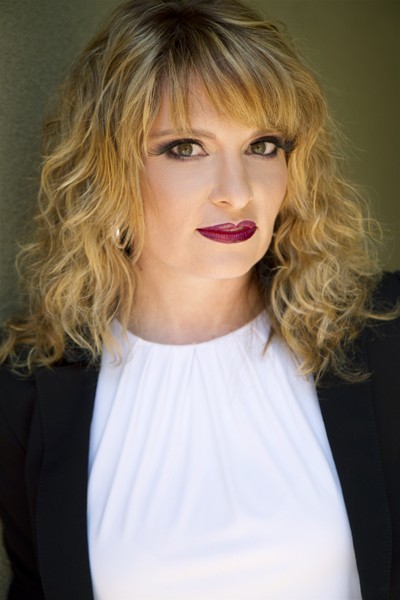
Elizabeth Lions PixEarly in my career as a recruiter, I was treated poorly by a job seeker and couldn’t understand why.

After several conversations that felt more like a heated sparring match rather than professional dialogue, I mustered the courage to ask him why he was so curt. Clearly, he was upset and didn’t want to have the conversation.

Over his career, he had a history of unproductive relationships with recruiters. As he put it, recruiters exhibited a lack of professionalism and even told outright lies. Consequently, he had strong bias against anyone in the profession, and he perceived no value in the relationship. As stated, “Talking to recruiters is like dealing with the root of all evil. I’d rather not bother.”

Continue reading

#4 – SOCIAL MEDIA BAFFLES MOST ENGINEERS – ELIZABETH LIONS – CAREERS@RISK

Elizabeth Lions PixSocial Media baffles most engineers. Like eating vegetables, we all know we need to be online and have a professional presence, but it gets confusing when it come to content, frequency and engagement. The most popular presentation I gave this year was on social media – how it works and why we should even bother.

Mostly, I get a lot of questions on LinkedIn.  Questions such as:

  • What should be on my LinkedIn?
  • Do I have it filled out enough?
  • What else should I put on there?
  • Should I have three recommendations?
  • Does my picture look ok?
  • Do I have to have a picture at all?
  • What do they look at when they read it?
  • How will a recruiter find me

Continue reading

#3 – UNCERTAINTY & RISK BASED DECISION MAKING, JOHN PROHODSKY –

Uncertainty and risk are often used interchangeably, however, they are different.

Is understanding the difference between risk and uncertainty really that important?  Yes, especially when developing a management or project plan.  Risk is a known or anticipated event with an unknown outcome.  Uncertainty is an event that may not be anticipated.  A good plan includes mitigations for anticipated risks. Continue reading

#3 – INTELLIGENTLY ACCEPTING RESIDUAL RISK – WYNNLEE CRISP, PROJECTS@RISK

wynnlee-crisp pixEvery project is at some risk of failing to meet one or more of its fundamental objectives:  on-time completion, budget compliance, scope fulfillment, or quality.  Many of the threats to successful project delivery can be avoided, transferred, reduced, mitigated or prevented entirely.  The remaining threats have to be accepted or the project needs to be cancelled.  By intelligently accepting the right risks, even complex and risky projects can be successful.

Continue reading